Distribution Manager Development Program
Transition from managing daily operations to driving branch profitability. Master the financial, operational, and strategic skills that define modern distribution leaders.
Overview and Need
The Evolution of the Branch Manager The distribution landscape has shifted. Branch managers are no longer just supervisors of inventory and personnel; they are now expected to function as entrepreneurs.
Many high-potential leaders are promoted because of their technical skills but find themselves without the specific tools needed for high-level decision-making. The Distribution Manager Development Program bridges this gap. This intensive program transforms tactical managers into strategic leaders by focusing on the “Total Business” of the branch—from deep financial metrics to lean operational efficiency.
Beyond Day-to-Day Operations
Move past basic supervision to high-level management strategies that optimize common branch operations.
Need for Critical Decision Tools
Equip leaders with the specific analytical frameworks needed to optimize and manage resource allocation.
Bridge the Gap from Technical to Strategic
Transform technical expertise into strategic leadership by connecting operational actions to financial results.
How Your Company Benefits

REAL-TIME STRATEGY
Master tools that allow you to pivot pricing instantly based on market shifts and data.

CUSTOMER RETENTION
Move beyond price-based selling to a solution-based model that creates “customers for life.”

OPTIMIZED ASSETS
Increase inventory turns and maximize the value of your warehouse space through advanced stratification techniques.

IMPROVED PROFITABILITY
Participants learn to link every operational decision directly to the P&L, identifying “leaks” in margin and reducing the “cost to operate.”
Who Should Attend
This program is specifically designed for those responsible for the financial and operational health of a distribution facility:
- Current Branch Managers
- Sales Managers
- High-Potential Candidates
- Operations Leaders
Lead Program Instructor
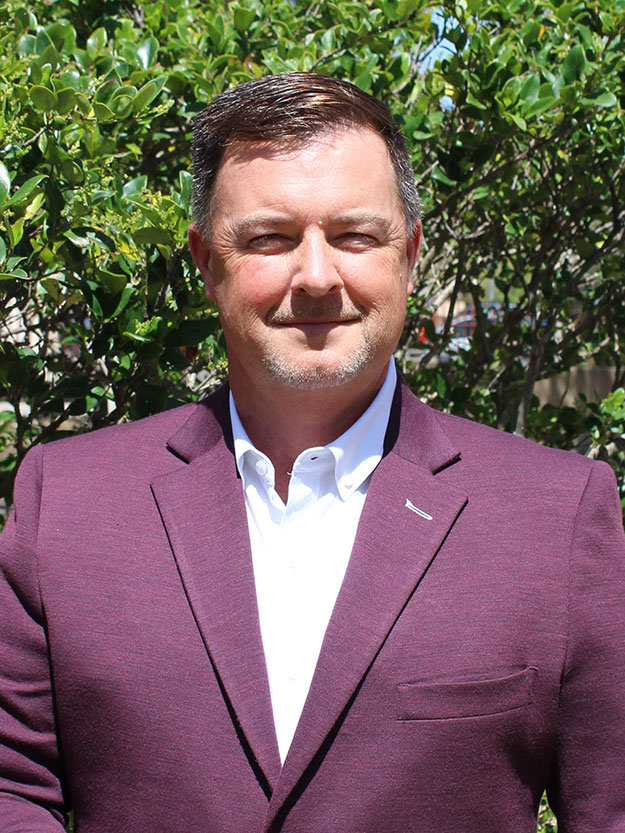

Meet Joe Dyson
Engineering Technology & Industrial Distribution
Joe Dyson brings a unique blend of industrial expertise and academic rigor to the Distribution Manager Development Program. As a key member of the Texas A&M READ Center, Joe specializes in the intersection of data-driven strategy and consultative sales processes.
- Real-World Expertise: Years of experience navigating complex industrial distribution networks.
- TAMU Pedigree: M.S. in Industrial Distribution from Texas A&M University.
- Actionable Insights: His teaching focus is on immediate ROI—giving you tools you can use the moment you return to the office.
Contact Information
Space is limited. Fill out the form below to receive early-bird registration details, speaker announcements, and agenda updates.